




 By
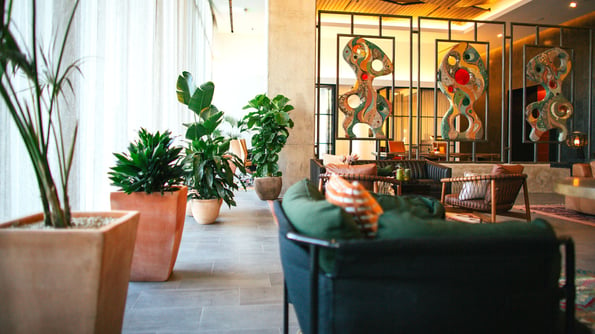
Dallas is known for its glass‑clad towers, sun‑exposed facades, and dramatic downtown skyline. But inside many of those high‑rise buildings, especially in the interior cores, deep floor plates, and enclosed workspaces, light levels can be surprisingly low. Facilities managers are often asked to keep spaces feeling vibrant and biophilic—even in zones that rarely see natural daylight.
Standard houseplants often fail in these conditions. The plants may stretch, yellow, or slowly decline under the combination of low natural light, strong HVAC, and deep‑plan commercial layouts. To maintain a professional, healthy visual standard, corporate facilities need plants specifically suited to low‑light office environments in high‑rise buildings.
This guide focuses on which plants work best for low‑light Dallas corporate skyscrapers, the traits that make them successful, and how to deploy them by zone for long‑term performance.
- Understanding Light Conditions Inside Dallas High‑Rise Offices
- Traits of Plants That Succeed in Low‑Light Corporate Interiors
- Best Plant Categories for Low‑Light Skyscraper Environments
- Recommended Low Light Office Plants for Dallas Towers
- Deployment & Management Strategies for Facilities Managers
Understanding Light Conditions Inside Dallas High‑Rise Offices
To choose the right low light office plants, it’s important to understand the actual light conditions found inside tall Dallas buildings.
Common patterns include:
-
Bright Perimeter, Dark Interior
Perimeter offices and window‑line zones can be very bright, especially on upper floors. But interior workstations, hallways, focus rooms, and support spaces can receive minimal daylight—sometimes none at all.
-
Deep Floor Plates
Many Dallas high‑rises use deep, efficient floor plates. The deeper into the building you go, the lower the natural light, even if glazing is abundant at the perimeter.
-
Enclosed Conference Rooms and Huddle Spaces
Internal meeting rooms often rely exclusively on artificial lighting, with no windows at all.
-
Lobby and Elevator Core Microclimates
Ground floor lobbies may have dramatic natural light from double‑height glazing, while elevator cores and internal corridors remain very dim.
-
Strong HVAC and Low Humidity
Air‑conditioning and large mechanical systems keep buildings cool and dry, which can stress many plant species in combination with low light.
-
Mixed Lighting Technologies
LED fixtures, indirect uplighting, and decorative feature lighting all influence how usable light is for plants, even when it looks bright to occupants.
These conditions mean that plants must tolerate consistently low or indirect light, occasional changes in building operations, and the mechanical realities of a large commercial tower.
Traits of Plants That Succeed in Low‑Light Corporate Interiors
Plants that perform reliably in low‑light Dallas high‑rises typically share several characteristics:
-
Genuine Low‑Light Tolerance
They are able to maintain healthy foliage, color, and form under limited natural light and moderate artificial lighting.
-
Slow, Controlled Growth
Fast‑growing species can become leggy or unstable when they stretch for light. Low‑light plants that grow slowly are easier to maintain and keep looking tidy.
-
Strong Root Systems
Robust roots tolerate small fluctuations in watering frequency and soil drying cycles, which can happen in heavily air‑conditioned buildings.
-
Resistance to Dry Air
Plants must withstand lower humidity without extensive leaf browning or edge burn.
-
Compact or Architectural Forms
Corporate environments benefit from plants that hold a stable form—either neatly compact, or clean and architectural for modern interiors.
-
Pest Resistance in Low Light
Weak, stretched plants are more prone to pests. Strong low‑light species are less vulnerable when properly cared for.
Best Plant Categories for Low‑Light Skyscraper Environments
Instead of looking only at individual species, it helps to categorize plants by where they perform best within a high‑rise building.
Key categories include:
-
Deep‑Interior Floor Plants
Used in corridors, elevator lobbies, and interior collaboration zones where natural light is minimal.
-
Low‑Light Desk and Planter‑Top Plants
Used on workstations, credenzas, and storage cabinets in open offices and internal offices.
-
Feature Plants for Indirectly Lit Lobbies
Used in recessed lobby areas, away from direct glass but with enough ambient light from exterior glazing and artificial fixtures.
-
Conference Room Plants
Used in enclosed meeting spaces with artificial lighting only.
-
Accent Plants for Quiet or Focus Rooms
Used where occupants expect a calm, minimal, but biophilic environment.
Each category can be supplied from a palette of proven, low‑light plant species that work well in Dallas towers.
Recommended Low Light Office Plants for Dallas Towers
Below are examples of plants that typically perform well in low‑light Dallas corporate interiors when professionally maintained. Suitability will still depend on the exact light levels, air movement, and building operations.
Sansevieria (Snake Plant)
Best for:
-
Deep interior corridors, workstations, and elevator lobbies
-
Modern, minimal office aesthetics
Why it works in low‑light high‑rises:
-
One of the most forgiving low light office plants
-
Tolerates dry air and irregular watering
-
Strong vertical, architectural form suits corporate design
-
Performs under both low natural light and LED lighting
Zamioculcas zamiifolia (ZZ Plant)
Best for:
-
Interior offices, focus rooms, and desking areas
-
Planter‑top applications where space is limited
Why it works in Dallas skyscrapers:
-
Exceptional tolerance for low light and low humidity
-
Thick rhizomes store water, reducing risk of decline from minor missed waterings
-
Glossy, dark green foliage remains visually clean and professional
Aglaonema (Chinese Evergreen)
Best for:
-
Interior collaboration areas and low‑light lobbies
-
Group plantings in decorative containers
Why it works in low‑light conditions:
-
Naturally adapted to understory conditions in the wild
-
Many cultivars handle low to medium light well
-
Broad leaves create strong biophilic presence even in dim spaces
Dracaena Janet Craig and Dracaena Lisa
Best for:
-
Floor planters in corridors and open‑plan areas with limited indirect light
Why they work in Dallas towers:
-
Columnar growth suits narrow or circulation‑adjacent spaces
-
Good performance in medium to low indirect light
-
Dark green foliage fits well with corporate color palettes
Philodendron Species (e.g., Philodendron Congo, Green or Rojo)
Best for:
-
Low‑light reception zones and internal collaboration spaces
Why they perform well:
-
Many philodendron cultivars tolerate lower light when not overwatered
-
Broad, lush foliage provides a strong visual statement
-
Compact self‑heading forms stay neat in containers
Pothos (Epipremnum Aureum Varieties)
Best for:
-
Shelving, cabinet‑top planters, and hanging applications in low‑light zones
Why they work in high‑rise offices:
-
Extremely forgiving and adaptable to limited light
-
Can trail or be trained up supports for more vertical presence
- Performs well in artificial‑light‑only environments with proper care
Low‑Light‑Tolerant Palms (Selected Applications)
Best for:
-
Certain lobby and amenity areas with limited but consistent light
Options such as Rhapis (Lady Palm) can perform under medium to lower light when not exposed to drafts. These are best reserved for spaces with slightly more light than the deepest interiors.
Deployment & Management Strategies for Facilities Managers
Selecting appropriate low light office plants is only half of the equation. How plants are deployed and managed inside a Dallas skyscraper is equally important.
Key strategies:
-
Conduct a Light Audit by Zone
Work with a plant provider to assess light levels at plant height. This can be done with meters or through professional assessment. Assign species based on measurable light conditions.
-
Group Plants by Environmental Conditions
Keep plants with similar light and HVAC exposure together. This allows for more precise watering and maintenance routines.
-
Avoid Overwatering in Low Light
In deep interior zones, soil will dry more slowly. Professional technicians should adjust irrigation frequency to prevent root rot.
-
Use Appropriate Containers and Substrate
Select containers with proper drainage and substrate blends that balance moisture retention with aeration—especially in dry, air‑conditioned buildings.
-
Plan for Occasional Rotation
Feature plants in very low light may benefit from periodic rotation through slightly brighter service areas to maintain long‑term strength.
-
Coordinate with Facilities and Cleaning Teams
Ensure plants are not accidentally moved into unsuitable light, placed directly under cold air vents, or exposed to harsh cleaning chemicals on foliage.
-
Monitor Performance and Replace Weak Performers
Even within low‑light‑tolerant species, individual plants may struggle in certain micro‑zones. A professional provider will monitor and proactively replace declining plants.
When to Involve a Professional Interior Plant Provider
High‑rise buildings present specific challenges that are best handled with specialized expertise. A professional corporate plant service provider can:
-
Survey your Dallas tower floor by floor to map light levels and microclimates
-
Recommend a tailored plant palette of low light office plants by zone
-
Design container layouts that align with your brand and workplace design
-
Provide ongoing maintenance, pest management, and plant rotation
-
Offer plant guarantees and replacement plans to protect visual standards
With the right low‑light‑tolerant plants and a well‑designed maintenance program, even the deepest interior spaces of a Dallas corporate skyscraper can feel alive, welcoming, and biophilic—without compromising on operational reliability.

Established in 1983, Natura - Interior Plant Design transforms workplaces with biophilic design. We specialize in interior plant design, indoor plant service, and corporate plant service, focusing on interior plantscaping and green walls to enhance office environments, boost wellness, and increase productivity. Serving major markets across Texas and Florida, we deliver live plants, green wall systems, and holiday decor packages to create thriving environments where people live, work, learn, and play. At Natura, we care for both plants and people within the built environment, reconnecting people with nature through innovative plant solutions.
Serving businesses across:
Dallas, Houston, Austin, San Antonio, Corpus Christi, Tampa, Orlando, and Sarasota.