.png?width=14&height=14&name=Group%20(3).png)
.png?width=14&height=14&name=Group%20(4).png)




 By
By
In modern corporate environments, office plants are more than decorative elements—they are strategic components of workplace well‑being, indoor air quality, brand presence, and tenant experience. To maintain these benefits, Facilities Managers must determine the correct service frequency for plant care across different zones and building conditions.
Service frequency directly impacts:
- Plant health and longevity
- Aesthetic consistency
- Replacement rates
- Labor planning
- Annual maintenance budgets
- Understanding Service Frequency in Corporate Interiors
- High‑Visibility vs Standard‑Visibility Zones
- Environmental Factors That Determine Visit Frequency
- Recommended 2026 Service Frequencies by Plant Type
- Multi-Location and Enterprise Considerations
- Determining the Right Schedule for Your Facility
Understanding Service Frequency in Corporate Interiors
Office plant maintenance frequency is determined by:
- Plant species
- Size and maturity
- Building conditions
- Traffic levels
- Light exposure
- HVAC cycles
- Building security and access
The most common professional service frequencies are:
- Weekly service
- Bi‑weekly service
- Hybrid service models (zone‑based)
High‑Visibility vs Standard‑Visibility Zones
Different zones require different service expectations due to visibility, foot traffic, and brand impact.
High‑Visibility Zones (Weekly Recommended)
- Reception areas
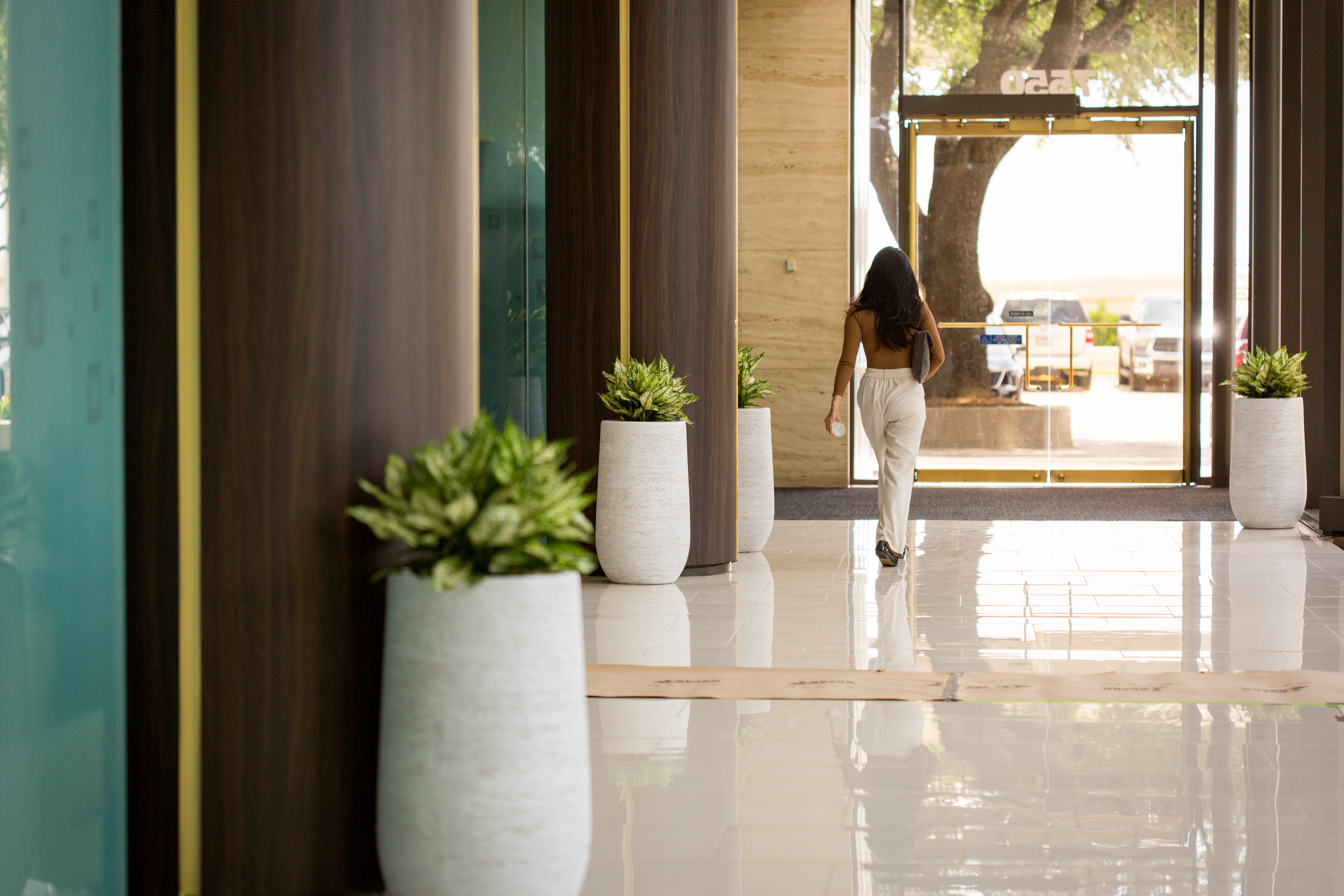
- Lobbies
- Executive floors
- Client‑facing boardrooms
- Hospitality spaces
- Conference centers
Why weekly service?
- More grooming required
- Higher debris accumulation
- More sensitivity to lighting conditions
- Appearance directly influences client perception
Standard‑Visibility Zones (Bi‑Weekly Recommended)
- Open-plan work areas
- Internal hallways
- Medium‑use conference rooms
- Breakout spaces
These zones generally sustain plant quality on a bi‑weekly cycle with stable, low‑maintenance species.
Environmental Factors That Determine Visit Frequency
Environmental stressors influence how often plants require care.
Light Levels
- Low‑light areas require rotation and more frequent checks
- Bright areas require hydration control
- Window glare impacts leaf health
HVAC Load
Texas markets (Dallas, Houston, Austin, San Antonio, Corpus Christi) experience heavy AC use—this dries soil quickly.
Humidity Levels
Florida markets (Tampa, Orlando, Sarasota) experience high humidity—this increases pests and fungal risks.
Foot Traffic
High-traffic buildings require more:
- Cleaning
- Grooming
- Stabilizing soil and substrate
Recommended 2026 Service Frequencies by Plant Type
| Plant Type | Recommended Frequency | Notes |
| Table-top plants | Weekly or bi‑weekly | Fast drying & visible |
| Medium floor plants | Bi‑weekly | Stable, moderate needs |
| Large feature plants | Weekly | High visibility + complexity |
| Tropical species | Weekly | Humidity‑dependent |
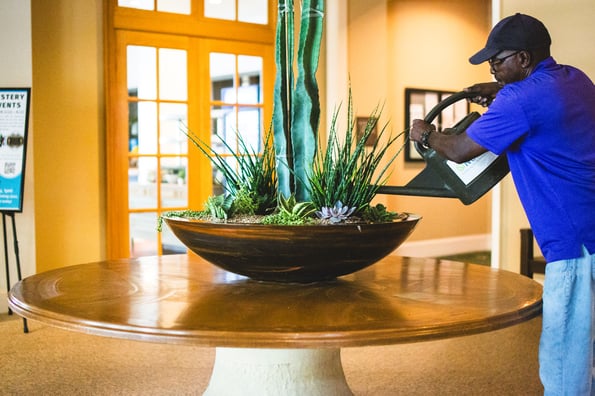
| Desert species | Bi‑weekly | Slow hydration cycles |
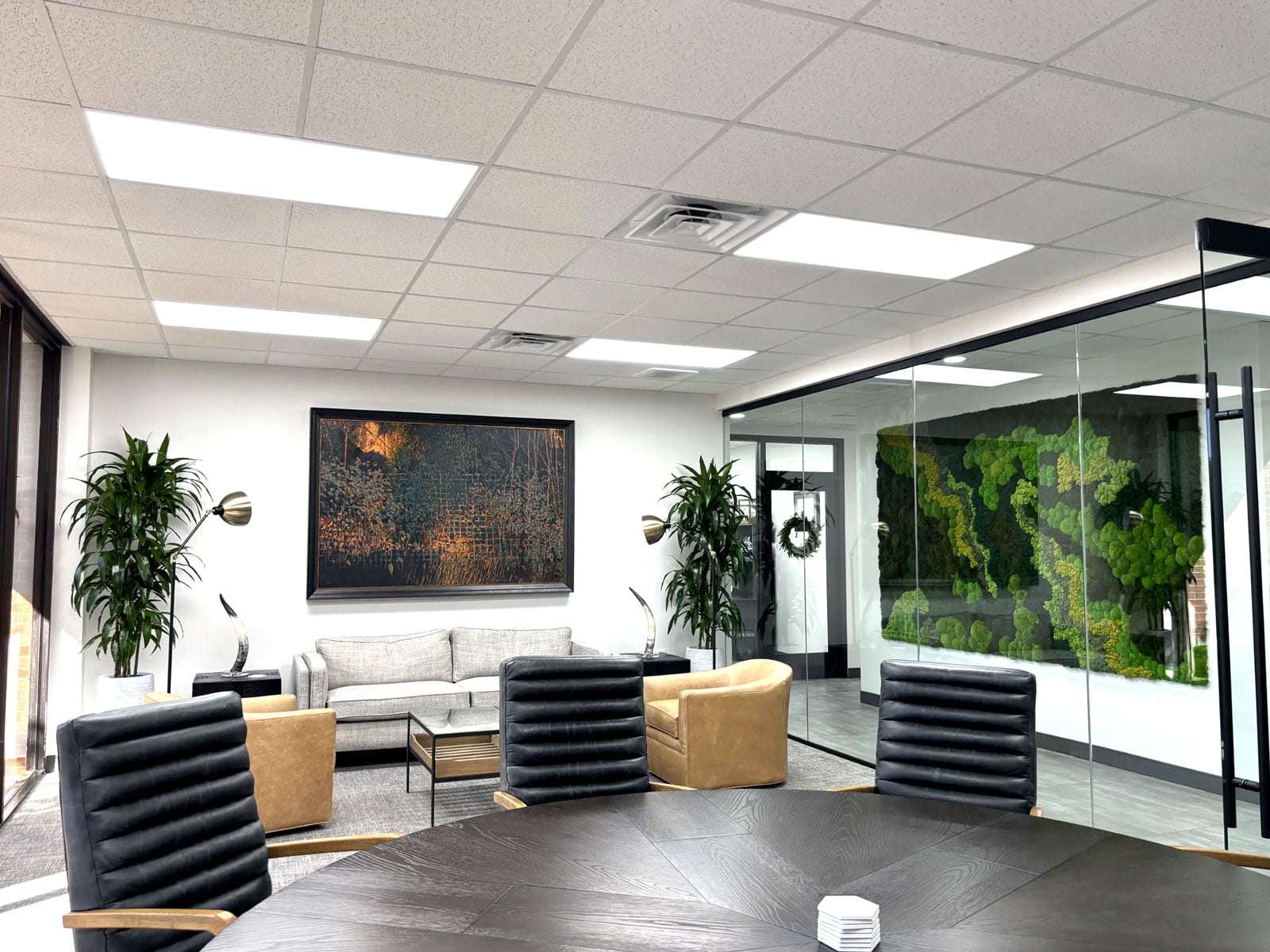
| Moss walls | Monthly + cleaning | Specialist maintenance |
| Living walls | Weekly | Irrigation and nutrient checks |
Multi‑Location and Enterprise Considerations
Enterprises operating across:
- Dallas
- Houston
- Austin
- San Antonio
- Corpus Christi
- Tampa
- Orlando
- Sarasota
must standardize:
- Appearance criteria
- Species selection
- SLAs
- Reporting
- Replacement guarantees
while adapting to environmental differences.
Enterprise FM Considerations:
- Predictable budgeting
- Standardized maintenance plans
- Scalable service models
- Climate‑specific adjustments
Determining the Right Schedule for Your Facility
To determine correct service frequency, FMs should assess:
- Zone priority
- Plant species and maturity
- Environmental conditions
- Aesthetic expectations
- Desired replacement guarantee level
Schedule a Corporate Plant Service Consultation
If you're planning upgrades or evaluating current plant maintenance frequency, our team can provide a tailored recommendation for your building type and corporate standards. Contact us today to schedule a corporate plant service consultation

Established in 1983, Natura - Interior Plant Design transforms workplaces with biophilic design. We specialize in interior plant design, indoor plant service, and corporate plant service, focusing on interior plantscaping and green walls to enhance office environments, boost wellness, and increase productivity. Serving major markets across Texas and Florida, we deliver live plants, green wall systems, and holiday decor packages to create thriving environments where people live, work, learn, and play. At Natura, we care for both plants and people within the built environment, reconnecting people with nature through innovative plant solutions.
Serving businesses across:
Dallas, Houston, Austin, San Antonio, Corpus Christi, Tampa, Orlando, and Sarasota.